How Austin earned its Live Music Capital nickname, how SXSW and ACL fit in, which neighborhoods to explore, and the easiest ways to find and support great local shows year-round.
Austin calls itself the Live Music Capital of the World, and if you spend a weekend here it is easy to see why. On any given night you can catch a honky-tonk band, a punk show, a jazz trio, a hip-hop showcase and a moody electronic set within a few miles of each other. This fan’s guide to the Austin live music scene explains where the nickname came from, how the big festivals fit into the picture, which parts of town to explore, and how to find the smaller shows that are the real heartbeat of the city.
We are a local band, so we have a soft spot for all of this. But a scene this size changes constantly. Venues open, close, move and rebrand, so treat the specific names in this guide as starting points and always check current listings before you head out.
Key takeaways
- Austin officially adopted the “Live Music Capital of the World” slogan in 1991, building on decades of club, radio and TV history.
- SXSW and Austin City Limits are the city’s headline events, but the year-round club scene is where most local music happens.
- The Red River Cultural District, East Austin and South Austin each have their own character.
- KUTX 98.9 and local listings are the easiest ways to discover Austin artists.
- Small, everyday support, like buying merch or showing up for openers, keeps the scene alive.
Why Austin is called the Live Music Capital of the World
The slogan became official in 1991, when the city adopted it as a way of describing what locals already knew: Austin had an unusually high number of live music venues for a city of its size, and a culture that treated going out to hear bands as an ordinary part of the week. The phrase has stuck ever since, turning up on city signage, airport walls and plenty of T-shirts.
The history behind the slogan
The nickname built on a long run of local landmarks. In the 1970s, Austin became a center for the “progressive country” or “outlaw country” movement, with Willie Nelson as its most famous figure and the Armadillo World Headquarters as a legendary gathering spot. The public television series Austin City Limits started taping in 1974 and went on to become one of the longest-running music programs in American TV history. Blues clubs, punk venues and singer-songwriter rooms all added their own layers in the decades that followed.
The city’s music history also has a well-known face by the water: a statue of blues guitarist Stevie Ray Vaughan stands near Lady Bird Lake, and it is a popular stop for visiting fans.
A city earns a nickname like “Live Music Capital” not from one famous venue but from hundreds of ordinary Tuesday nights where someone plays to whoever showed up.
The big events: SXSW and ACL
South by Southwest
SXSW began in 1987 as a music conference and festival and has since expanded to include film, television, technology and more. It usually takes place in March. For music fans, the appeal is the sheer volume: showcases in clubs, bars, outdoor stages and pop-up spaces across downtown and beyond, with artists from around the world alongside local acts. Official events need a badge or wristband, but there is traditionally also a large unofficial scene of day parties, some of them free, so it pays to look around.
Austin City Limits Music Festival
The ACL Music Festival grew out of the TV series and launched in 2002. It is held in Zilker Park, typically across two weekends in the fall, and features large-scale stages with headline acts across many genres. It is a very different experience from a club show: big crowds, big sound and a full day outdoors, often in the Texas heat.
Why the big events are only part of the story
Festivals put Austin on the map for visitors, but they happen a few weeks a year. The rest of the time, the city’s music life runs on clubs, bars, restaurants, coffee shops and backyards. If you only experience Austin through a festival, you are seeing it at its loudest and busiest, not at its most typical.
Where the music lives: Austin neighborhoods for fans
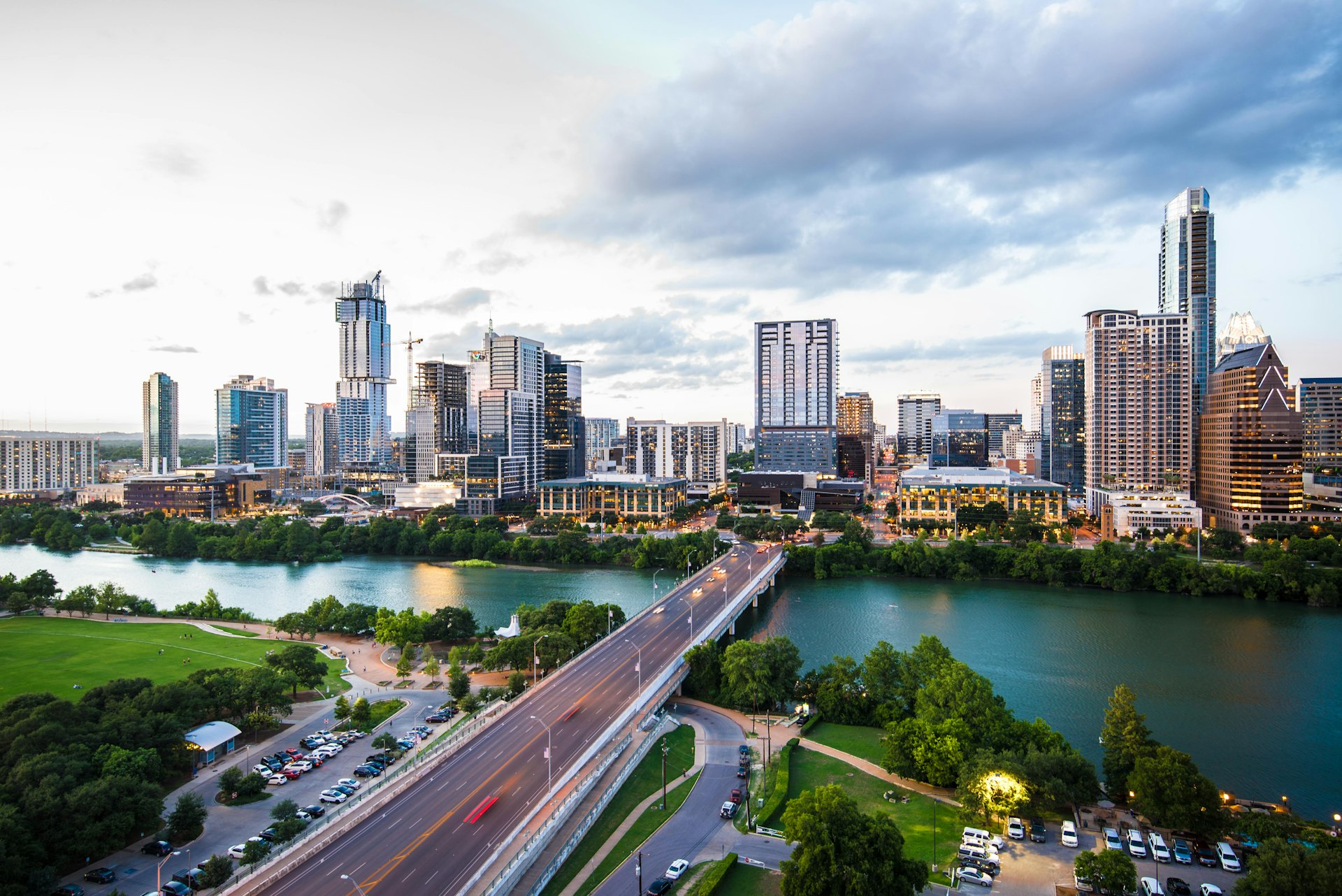
Austin’s scene is spread out, and each area has its own flavor. Here is a rough guide. Specific venues come and go, so check before you go.
Red River Cultural District
Just north and east of the core of downtown, along Red River Street, is a cluster of clubs that has long been one of the city’s most important homes for rock, indie, punk, hip-hop and electronic music. The area was formally recognized as a cultural district in the 2010s, partly to help protect small venues from rising rents and redevelopment. Long-running names here have included Mohawk, Stubb’s and Empire Control Room, among others. It is a great place to bounce between shows on foot.
Sixth Street and downtown
East Sixth Street is famous, but the stretch nearest downtown leans more toward bars and nightlife than dedicated music rooms. You will find live music there, but serious fans often head a few blocks over to Red River or further east. Downtown is also home to larger venues, such as ACL Live at the Moody Theater, where many tapings of Austin City Limits now happen.
East Austin
East of Interstate 35, East Austin has grown into one of the most active areas for indie, garage, experimental and DIY music, with a mix of bars, patios and small rooms. It is also a good area for food trucks and late-night eating. We wrote a separate practical guide on planning a night of live music in Austin that leans on this part of town.
South Austin
South Congress Avenue and the surrounding area are home to some classic rooms, including the Continental Club, a long-running landmark for roots, rockabilly and rock ‘n’ roll. Further afield, the Broken Spoke has been a classic Texas dance hall for decades. If you want a taste of Austin’s country and roots history, South Austin is the place to start.
Campus and North Austin
Near the University of Texas, older bars along Guadalupe Street have long hosted local bands, and there are smaller rooms, record shops and cafés scattered further north. These spots are often good for catching up-and-coming acts at low cover prices.
KUTX and local media: your discovery tools
If there is one habit that will make you a better Austin music fan, it is listening to local radio. KUTX 98.9, Austin’s public music station, plays a wide mix of genres and makes a point of championing local artists. Its Song of the Day feature, in particular, is a steady stream of new Austin music. Our own single “Take A Look At Us Now” was featured as a KUTX Song of the Day in 2023, and it is a good example of how the station shines a light on bands that might otherwise only be known to people who already go to their shows.
Beyond radio, the city has independent publications, music blogs, newsletters and venue mailing lists that cover local shows. Many musicians and venues also post their calendars on Instagram first, so following a few venues and bands you like is one of the quickest ways to build a picture of what is coming up.
How to find local shows
Here is a practical breakdown of where to look and what each source is best for.
| Source | What it’s good for | Tip |
|---|---|---|
| Venue websites and social accounts | The most accurate set times and ticket links | Follow five or six venues whose booking taste you trust |
| Band websites and Instagram | Knowing when a specific act is playing | Turn on post notifications for bands you love |
| Local radio (e.g., KUTX) | Discovering new local artists | Write down names from the Song of the Day and look them up |
| Local publications and newsletters | Weekly roundups and curated picks | Check them midweek to plan your weekend |
| Ticketing platforms | Bigger shows and advance sales | Buy early for shows likely to sell out |
| Word of mouth | House shows and unannounced sets | Ask bands and bartenders what they are excited about |
You can also keep an eye on our shows page for Fort Never dates as they are announced.
Supporting local artists
Austin’s live music culture depends on fans who treat local bands as worth their time and money, not just as background noise. Rising costs of living and venue closures have been a recurring concern for the city’s music community, and the support of regular fans makes a real difference. A few habits that genuinely help:
- Pay the cover. Door money often goes directly or partly to the bands.
- Show up for the openers. Today’s opening act might be next year’s headliner, and they need people in the room.
- Buy merch. T-shirts, records and stickers bought at the merch table are one of the most direct ways to support a band.
- Follow and share. Streams, saves and shares help independent artists get noticed, even if the per-stream money is small.
- Request local music. Let local radio and venues know which Austin artists you want to hear more from.
- Hire local bands. For weddings, parties and private events, a local band keeps money inside the scene.
We cover more of these in our guide to supporting independent musicians.
Where Fort Never fits
Fort Never is an Austin band through and through. Chantell Moody moved here from Des Moines and previously fronted the electronic pop group The Digital Wild; she and Timmie Rook began collaborating under the name Fort Hood before relaunching as Fort Never when drummer Deano Coté joined. Our music blends trip-hop, electronic dub, lo-fi folk and experimental arrangements, which is exactly the kind of genre-blurring that Austin has always made room for. You can read more about the band on our about page.
Get out there
The best way to understand why Austin earned its nickname is to go out on a random weeknight, pick a venue you have never been to, and stay for the whole bill. Before you go, put our music on from the music page to get in the mood, and check our shows page for upcoming Fort Never dates. If you are planning an event and want a local band, reach out through our contact page.
Frequently asked questions
When did Austin become the Live Music Capital of the World?
Austin officially adopted the "Live Music Capital of the World" slogan in 1991, reflecting its unusually large number of live music venues and long music history.
What is the best area in Austin for live music?
It depends on your taste. The Red River Cultural District is a hub for rock, indie and electronic shows, East Austin is strong for indie and DIY music, and South Austin is home to classic roots and country rooms. Always check current listings, since venues change.
How can I find local Austin bands to see?
Follow venues and bands on social media, listen to KUTX 98.9 (especially its Song of the Day), read local music publications and newsletters, and ask bands and bartenders what they recommend.

Written by Fort Never
Trip-hop, electronic dub and lo-fi folk from Austin, Texas. We write about sound, the Austin scene and the craft of independent music. About the band →