Streaming is nice, but it rarely pays the rent. Here are twelve practical ways fans can support independent musicians, from buying direct and showing up early to requesting songs on local radio.
If you have ever walked out of a small club humming a song you heard for the first time that night, you already know why independent music matters. What is less obvious is how to help the people who make it. Plenty of advice on how to support independent musicians boils down to “stream more,” which is a nice gesture but rarely the one that keeps a band on the road or a songwriter in a rehearsal room. Some actions put real money in an artist’s pocket, some build the audience that pays off later, and some cost you nothing but thirty seconds.
We are an independent project ourselves, based in Austin, so we have a pretty clear view of which kinds of support show up in the bank account, which show up in the room, and which mostly show up as a warm feeling. Below are twelve ways to help, grouped by what they actually do, with honest notes on why each one counts.
Key takeaways
- Buying music and merch directly from an artist usually returns far more per dollar than any amount of casual streaming.
- Showing up early, buying a ticket in advance and bringing a friend gives a band leverage with venues and promoters.
- Free actions such as saving, playlisting, sharing and requesting songs on local radio compound over time.
- Hiring musicians for events and donating to local musician-support nonprofits are two of the most overlooked forms of support.
- A mailing list sign-up is worth more to an independent artist than a follow on any single platform.
Put your money where it actually lands
Every independent artist has a short list of income streams, and most of them are lumpy. Direct sales smooth that out. If you only take one thing from this article, take this section.
1. Buy music directly
When you buy a download or a physical release from an artist’s own store or a direct-to-fan platform, a large share of the purchase goes to the artist. Bandcamp is the best-known example: it takes a revenue share (historically in the range of 10 to 15 percent, depending on whether the item is physical or digital), and it has periodically run “Bandcamp Fridays,” when it waives its cut entirely. Policies change, so check the current terms, but the basic math holds. One album purchase can be worth more to an artist than thousands of streams.
Many platforms also let you pay more than the asking price. If a record has meant something to you, that “name your price” box is a direct line to the person who made it.
2. Buy the shirt (and wear it)
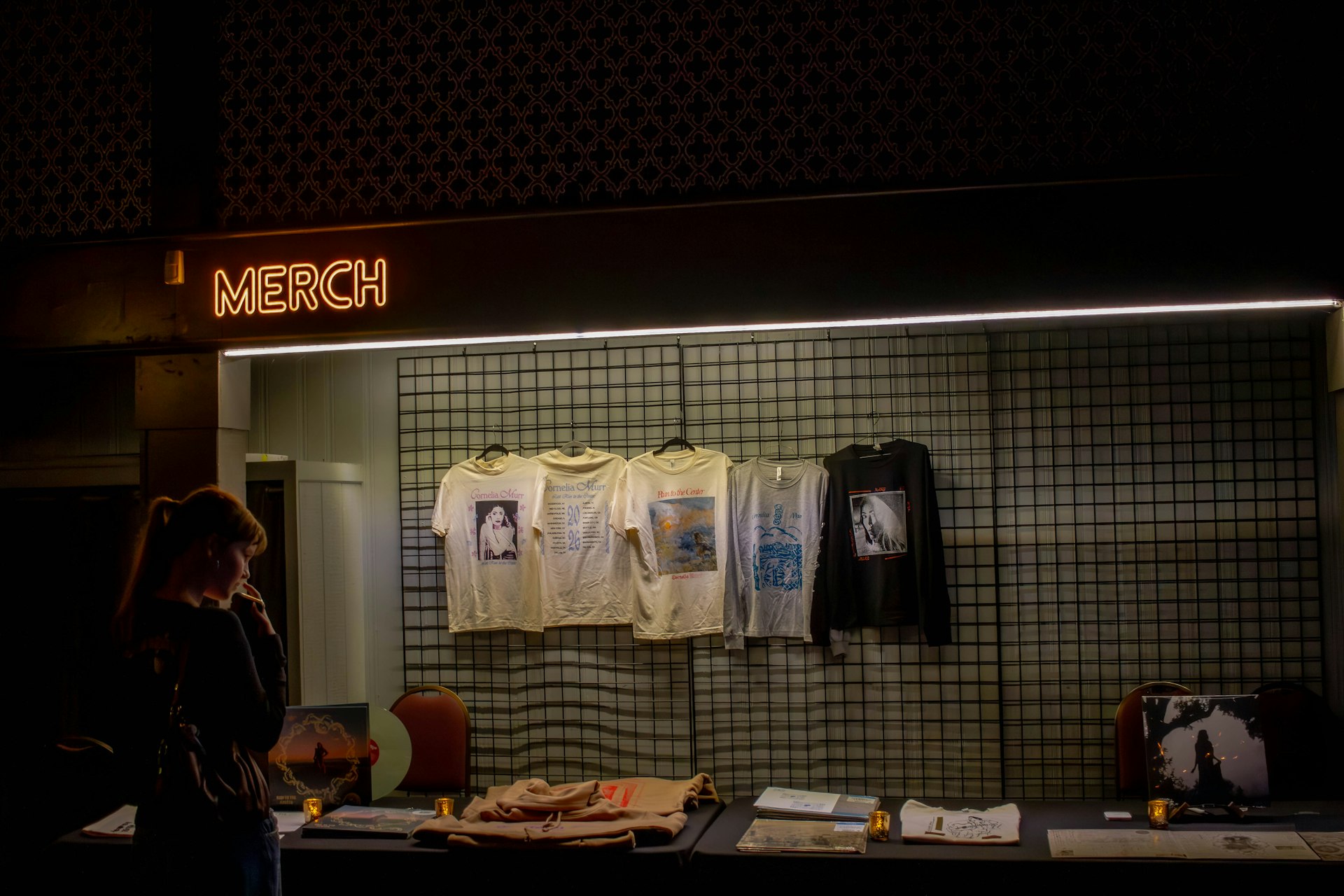
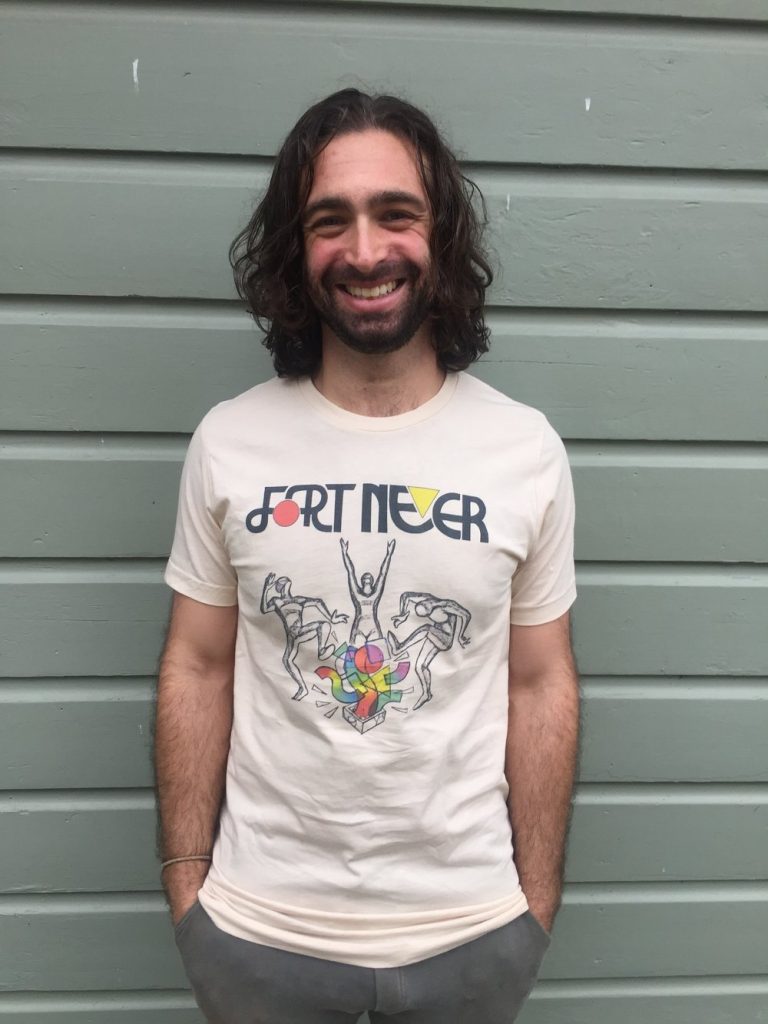
Merch is often the line item that decides whether a show or a tour breaks even. A tee, a tote, a poster or a pin carries a better margin than most other things a band sells, and when you wear it, you turn into a walking recommendation. You can find our cream logo tee in the Fort Never shop. At a show, buy from the merch table rather than waiting to “get it online later,” because later has a way of never happening.
3. Tip, donate and back the safety net
Plenty of acts now post a digital tip jar link on stage or in their bios. If you enjoyed a free show, a few dollars is a fair trade. In Austin specifically, you can also support the whole community through nonprofits such as HAAM (the Health Alliance for Austin Musicians), which helps working musicians access health care, and the SIMS Foundation, which focuses on mental health and substance use support for people in the local music industry. Gifts to organizations like these help the artists you already love and the ones you have not heard yet.
Show up in person
Live shows are where an audience turns into a community. They are also where a band builds a track record with the people who book future dates.
4. Go to the show, and buy your ticket ahead
Advance ticket sales tell a venue that a show is happening. Promoters and talent buyers look at those numbers when deciding whether to book an act again, offer a better slot or put them on a bigger bill. Buying at the door still helps, but an early ticket helps more because it lets everyone plan. Keep an eye on our shows page for upcoming dates, and if you are new to the Austin circuit, our guide to planning a night of live music covers the practical side.
5. Arrive for the openers and bring someone new
Opening acts are often playing to the bartender and the sound engineer. Getting there early fills the room, makes the night better for everyone on the bill, and occasionally introduces you to your next favorite band. Better still, bring a friend who has never heard the headliner. A new listener in the room is how audiences grow, one person at a time.
A full room at 8 p.m. does more for a local scene than a packed one at midnight. The people on the early slot are the headliners of a few years from now.
Make your streaming count
Streaming pays very little per play, and the exact rate depends on the service, the listener’s country and the artist’s distribution deal. That does not make streaming worthless. It makes it a discovery tool more than an income source, and there are ways to use it that matter more than others.
6. Follow, save and add to your own playlists
Passive listening on someone else’s playlist is fine, but saving a track to your library, following the artist and adding songs to your own playlists send stronger signals. Those actions tend to feed recommendation systems and release notifications, which means the artist’s next song is more likely to reach you and people with similar taste. It is also worth knowing that some services have introduced minimum thresholds before a track earns royalties at all; Spotify, for instance, announced a rule starting in 2024 that a track needs a minimum number of yearly streams to generate recorded-music royalties. For small artists, steady listening from real fans helps clear those bars.
7. Pre-save upcoming releases
A pre-save link adds a song or album to your library automatically on release day. For an independent act without a marketing budget, a strong first week of listening can make a release more visible. It takes a few seconds and costs nothing.
Be the word of mouth
Independent artists rarely have money for advertising, so fans do the job advertising would do. This is where the free help adds up.
8. Share with intent
Resharing a post is good. Sharing with a sentence about why you like the song is much better. “This one sounds like a rainy Sunday” will get more people to press play than a bare link. Tag the artist so they can see it and thank you, and post the music video if there is one. Ours are collected on the videos page.
9. Recommend the music in person
The most persuasive recommendation is still a friend handing you an earbud. Put a track on at a dinner party, make a mixtape, or text a song to the one person you know who will love it. If you write a short review on a platform that allows it, mention specific songs. Specifics help strangers decide.
10. Request songs on local and community radio
Local radio remains one of the strongest discovery channels for regional music. In Austin, listener-supported station KUTX champions local artists (it featured our single “Take A Look At Us Now” as a Song of the Day), and community and college stations like KOOP and KVRX have long made room for local music too. Many stations accept requests or feedback by phone, email or social media. A polite, specific note saying you would love to hear a local act on air is genuinely read by the people who program music. Supporting those stations with a membership helps keep the channel open for everyone.
Hire musicians for real work
11. Book a band for your event
Weddings, company parties, gallery openings, fundraisers and backyard birthdays all need music, and a live act paid a fair fee is one of the most direct forms of support there is. If you are not sure where to start, our checklist on how to book a live band walks through budget, tech needs and contracts. Musicians also teach lessons, compose for film and podcasts, produce other artists and play sessions, so if you have a creative project, ask the artists you like whether they take that kind of work. You can see what we offer on our services page.
A quick note on “exposure”: offering a slot in exchange for visibility instead of payment is common, and it rarely helps. If your event has a budget for catering and decorations, it has a budget for the band.
Stay in touch where it counts
12. Join the mailing list
Social media reach rises and falls with every algorithm change. An email list is the one channel an artist actually controls. When an independent musician has a new release, a tour or a crowdfunding campaign, the list is usually where the most committed fans hear first and act fastest. If an artist you like offers a newsletter, sign up, and open the emails now and then so they keep landing in your inbox rather than your spam folder. For us, following instagram.com/fortnever and keeping an eye on this journal is the best way to keep up for now.
Impact at a glance
Not every fan has spare cash, and that is fine. Here is a rough way to think about the twelve options by cost and by what they tend to do for an artist.
| Action | Cost to you | Main benefit to the artist |
|---|---|---|
| Buy music direct | Low to moderate | Immediate income, high share per dollar |
| Buy merch | Moderate | Income plus visibility when worn |
| Tip or donate | Any amount | Direct income, community safety net |
| Advance tickets | Moderate | Leverage with venues and promoters |
| Arrive early, bring a friend | Free to low | Bigger rooms, new listeners |
| Follow, save, playlist | Free | Algorithmic reach, release alerts |
| Pre-save | Free | Stronger release week |
| Thoughtful sharing | Free | Discovery through trusted voices |
| In-person recommendations | Free | The most persuasive form of discovery |
| Radio requests | Free | Regional airplay and credibility |
| Hiring musicians | Varies | Paid work, often well above streaming income |
| Mailing list | Free | A direct line the artist controls |
Notice how many rows say “free.” A broke fan who shows up early, shares thoughtfully and calls in a radio request is doing real work for an independent act. The fans who can afford to buy a record or a shirt are doing something different, not something better.
Your next step
Pick two items from the list this week: one that costs money if you can spare it, and one that is free. If you are looking for a place to start with us, listen to the album Home and our later singles on the music page, grab a tee from the shop, or read more about how we put our songs together in Inside the Sound of Fort Never. Then go find a local band you have never heard and do the same for them.
Frequently asked questions
What is the single best way to support an independent musician?
Buying music or merch directly from the artist usually puts the most money in their pocket per dollar you spend. If you cannot spend money, showing up to shows early and sharing their music with a personal note are the strongest free options.
Does streaming help independent artists at all?
Yes, but mostly as a discovery tool rather than an income source. Saving tracks, following the artist and adding songs to your own playlists send stronger signals to recommendation systems than passive listening, and steady streams can help small artists clear minimum royalty thresholds some services now use.
How can I support local musicians if I have no money to spare?
Arrive in time for the opening acts, bring a friend, follow and save songs, pre-save new releases, share music with a sentence about why you like it, request local songs on community or public radio, and join artists' mailing lists. All of these are free.

Written by Fort Never
Trip-hop, electronic dub and lo-fi folk from Austin, Texas. We write about sound, the Austin scene and the craft of independent music. About the band →