Planning a wedding, party or festival stage? This step-by-step checklist covers budget, venue tech, sound and backline, contracts, deposits and day-of logistics so booking a live band goes smoothly.
A live band can turn a wedding reception, company party, festival stage or backyard celebration into the night people remember. It can also turn into a scramble if nobody checked whether the patio has power, who is bringing the PA, or what time the neighbors expect quiet. Knowing how to book a live band well is mostly about asking the right questions early and writing the answers down.
This guide is the checklist we wish every event organizer had. It works whether you are hiring a solo acoustic act or a full electronic-meets-live-drums setup like ours, and it is organized in the order you will actually need it: before you reach out, when you make an offer, when you sign, and on the day itself.
Key takeaways
- Decide your budget, date, guest count and the role music plays at the event before contacting any band.
- Find out early who provides the sound system, the engineer and the backline, because this changes the price.
- Share venue details up front: stage size, power, load-in route, curfews and any sound limits.
- Put everything in a written agreement, including fee, deposit, set times, cancellation terms and weather plans.
- Name one point of contact on each side and send a run-of-show sheet the week of the event.
Phase 1: Before you reach out
Bands get a lot of inquiries that read “How much for a gig?” The fastest way to get a clear, accurate quote is to answer the band’s questions before they ask. Spend twenty minutes on these basics first.
Define the role of the music
Is the band the main attraction, or is it setting a mood while people eat and talk? A dinner set calls for different volume, repertoire and arrangement than a dance floor at 11 p.m. Some acts are a great fit for one and not the other. Be honest about what you want; a band that plays original trip-hop and dub-influenced songs is a very different booking from a covers band that takes requests.
Lock down the essentials
- Date and backup dates. Popular weekends book early, especially in busy event seasons. Flexibility can save money.
- Venue and setting. Indoor or outdoor, and the approximate size of the space.
- Guest count. This affects how much sound reinforcement is needed.
- Timing. Start time, end time and when the music should happen within that window.
- Budget range. Even a rough range helps a band propose something realistic.
Set a realistic budget
Live music pricing varies widely by market, band size, experience, date, travel distance and how much equipment the act brings. Rather than guessing at a number, think about what goes into the total cost. The performance fee is only one line.
| Cost item | Who usually covers it | Notes |
|---|---|---|
| Performance fee | Organizer | Varies with band size, set length and date |
| Sound system (PA) and engineer | Venue, band or a rental company | Clarify this first; it is the most common gap |
| Backline (drums, amps, keyboards) | Usually the band | Sometimes provided by festivals or venues |
| Lighting | Venue or rental company | Basic stage wash is often enough |
| Travel and lodging | Organizer, for out-of-town acts | Agree on this in writing |
| Hospitality | Organizer | Water, a meal and a place to store cases |
| Permits and insurance | Organizer or venue | Outdoor amplified sound may need a permit |
A quick word on “playing for exposure”: if the event has a budget for catering, flowers and rentals, it has a budget for the people performing. Paying a fair fee also tends to get you a more committed, better-prepared band.
Phase 2: Gather the venue and tech details
Most day-of problems start with a technical question nobody asked. Get these answers from your venue and pass them along to the band in your first or second message.
Space and access
- Stage or performance area size (width and depth), and whether it is raised.
- Load-in route: stairs, elevators, distance from parking, and whether a vehicle can unload close by.
- Parking for the band’s vehicles during the event.
- A secure place to keep cases and personal items.
Power
Bands need reliable power near the performance area, and ideally more than one dedicated circuit so the sound system and instruments are not sharing with a coffee urn or a string of patio lights. Ask the venue how many outlets and circuits are available and how far they are from the stage. For outdoor events, find out whether a generator is needed and who will provide it; a quiet generator placed away from the stage is the norm.
Sound limits and curfews
Many venues, neighborhoods and cities have rules on amplified sound levels and end times, and outdoor events may need a permit. Check with your venue and local authorities well ahead of time, because rules differ from place to place. Share any decibel limits with the band so they can plan their setup. If you are thinking about guests’ comfort, our article on how to protect your hearing at concerts explains why a slightly lower volume often makes for a better party.
Sound, backline and the tech rider
Most professional acts have a technical rider, usually including a stage plot (where everyone stands and what gear goes where) and an input list (how many microphones and channels the band needs). If your venue has an in-house sound system and engineer, send the rider to them. If it does not, ask whether the band can provide a PA and engineer for an added fee, or hire a local production company. A band built on electronic production plus live instruments, for example, may need several stereo inputs for laptops or samplers alongside vocal and drum mics, so the input list really matters.

Phase 3: The offer, the contract and the deposit
Once you have found a band you like and they are available, put the offer in writing. A short, clear agreement protects both sides and avoids awkward conversations later. This is general information, not legal advice; for large or complicated events, have a lawyer look over the contract.
What a good performance agreement covers
- Names and contact details for the organizer and the band’s representative.
- Event date, venue address, load-in time, soundcheck time, set times and end time.
- Number and length of sets and breaks.
- Total fee, deposit amount, balance due date and payment method.
- What the organizer provides (sound, power, stage, hospitality, parking) and what the band provides.
- Cancellation terms for both sides, including what happens to the deposit.
- A weather plan for outdoor events and a clause for circumstances beyond anyone’s control.
- Overtime terms if you want the band to keep playing past the agreed end time.
- Rules on recording, livestreaming and using photos or video of the performance.
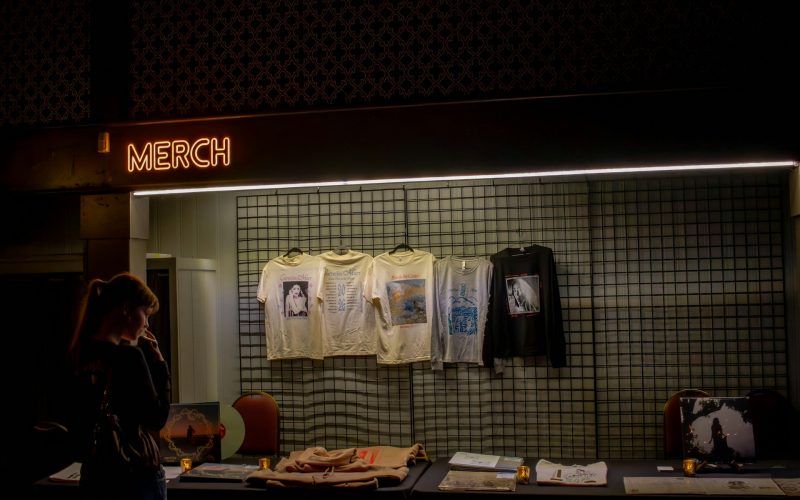
- Whether the band can sell merch at the event.
Deposits
Many bands ask for a deposit to hold the date, often a portion of the fee rather than the full amount, with the balance due on or before the event day. The deposit compensates the band for turning down other offers. Read the cancellation terms carefully so you know what happens if your plans change.
Insurance and venue rules
Some venues require performers or organizers to carry liability insurance and to provide a certificate. Ask the venue early so the band has time to arrange it. Union musicians may also have specific agreements through the American Federation of Musicians; if you are booking union players, ask how that affects the paperwork.
The contract is not a sign of distrust. It is a shared to-do list that both sides signed, and it is what lets everyone relax on the night.
A booking timeline that works
Every event is different, but this timeline is a good default for a private or corporate booking. Larger events and peak dates need more lead time.
| When | What to do |
|---|---|
| 3 to 6+ months out | Set budget and date, shortlist bands, send inquiries with event details |
| 2 to 4 months out | Confirm the band, sign the agreement, pay the deposit |
| 4 to 6 weeks out | Share the tech rider with the venue, confirm sound, power and permits |
| 2 weeks out | Agree on special requests, such as a first dance song or announcements |
| Event week | Send the run-of-show, contact numbers, parking and load-in instructions |
| Event day | Greet the band at load-in, pay the balance as agreed |
Phase 4: The event day
Load-in and soundcheck
Build in more time than you think you need. Many bands need an hour or more to load in, set up and soundcheck, and electronic setups with laptops, samplers and multiple inputs can take longer. Soundcheck should happen before guests arrive whenever possible. If the room must be ready for guests early, ask the band about a quieter “line check” instead.
Set length and pacing
For receptions and parties, two or three sets with short breaks often work better than one long block, because they let the band follow the shape of the evening. A festival or club slot is usually one continuous set. Ask the band what format suits their music, and plan background music for the breaks so the room does not fall silent.
Communication on the night
- Name one person on your side who can make decisions and answer questions.
- Share a written run-of-show with times for speeches, food service, toasts and any special songs.
- Agree on a simple signal if you need the volume adjusted.
- Have water available for the band and, if agreed, a meal during a break.
- Have the balance payment ready, so nobody has to chase anyone at midnight.
Common mistakes to avoid
A few problems come up again and again:
- Assuming the band brings a full sound system without asking.
- Forgetting that a third-floor venue with no elevator adds real load-in time.
- Booking an outdoor show with no shade, no rain plan and no power near the stage.
- Scheduling speeches in the middle of a set without telling the band.
- Letting several people send the band conflicting instructions.
Every one of these can be solved with a single email sent a few weeks ahead. Hiring live musicians is also one of the most direct ways to keep a local scene healthy, something we cover in 12 ways to support independent musicians.
Ready to book?
If you are planning an event and our blend of trip-hop, electronic dub and lo-fi folk sounds like the right fit, start by listening on our music page and watching our videos. Then take a look at what we offer on the services page and send us your date, venue, guest count and budget through the contact page or at [email protected]. The more of this checklist you can answer in your first message, the faster we can get back to you with a clear proposal.
Frequently asked questions
How far in advance should I book a live band?
For most private and corporate events, start looking three to six months ahead, and earlier for peak weekends or large events. Confirm the band and sign an agreement two to four months out so there is time to sort out sound, power and permits.
Does a band bring its own sound system?
Not always. Some bands provide a PA and engineer for an added fee, some rely on the venue's in-house system, and some events hire a production company. Clarify this before you agree on a fee, because it is the most common gap in event planning.
What should a live band contract include?
At minimum: date, venue, load-in and set times, fee, deposit and balance terms, what each side provides, cancellation terms, a weather plan for outdoor events, overtime terms and rules on recording. This is general information, not legal advice.

Written by Fort Never
Trip-hop, electronic dub and lo-fi folk from Austin, Texas. We write about sound, the Austin scene and the craft of independent music. About the band →