Streaming made music endless and weightless. Here's why records, CDs and tapes are still worth owning, how each format pays artists, and how to care for and grow a collection.
Streaming solved a problem nobody knew they had: it put almost every recorded song within reach of a thumb. Yet record stores are still open, bands still sell tapes at the merch table, and people still line up for limited pressings. Physical music didn’t disappear when music became weightless. In some ways, it found a clearer purpose.
This guide looks at why vinyl, CDs and cassettes still matter, what each format offers, how buying them tends to affect the artists who made the music, and how to look after a collection so it lasts. Whether you own one record or a wall of them, there’s something here for you.
Key takeaways
- Vinyl sales have grown for years, and physical formats now play a different role: ownership, ritual and direct support.
- Artwork, liner notes and credits give context that streaming interfaces tend to flatten.
- One physical purchase generally earns an artist far more than one stream, especially when you buy direct.
- Each format has its own strengths: vinyl for ritual and artwork, CDs for lossless value, cassettes for cheap, fun runs.
- Simple habits, like storing records upright and handling discs by the edges, keep a collection playable for decades.
The comeback nobody predicted
By the late 2000s, vinyl looked like a niche hobby. CDs were falling, downloads were peaking, and streaming was about to take over. Then something odd happened: vinyl started growing, year after year. According to year-end reports from the Recording Industry Association of America, vinyl revenue in the US has in recent years outpaced CD revenue, something that hadn’t happened since the 1980s.
Several things fed the revival. Record Store Day, an annual celebration of independent record shops that began in 2008, turned record buying into an event. A new generation discovered turntables. And as music became something you rent rather than own, many listeners started wanting something they could actually hold.
It isn’t really about nostalgia
Plenty of today’s vinyl buyers weren’t alive the first time records were the main format. For many of them, a record isn’t a throwback. It’s a deliberate choice to listen differently: one album, front to back, without a recommendation algorithm deciding what comes next.
Streaming is where you discover music. A record on the shelf is how you tell yourself, and anyone who visits, which music became part of your life.
What you hold: artwork, liner notes and credits
A physical release is a complete piece of work in a way a stream rarely is. The music is still the center, but the object around it adds layers.
Artwork at full size
Album art was designed to be seen at twelve inches square, and on a phone screen it’s often reduced to a thumbnail. The cover of our album Home, a painted house on a red background, is a good example of artwork that sets the tone before the first note. Seeing a cover at full size, with its texture and detail, changes how you meet the music.
Liner notes and lyrics
Inserts and gatefolds can carry lyrics, essays, photos and thank-yous that place the music in a time and place. They’re often where you learn what a song is about, or who the artist was thinking about while making it.
Credits
Physical releases typically list who wrote, played, produced, engineered, mixed and mastered the music, plus who designed the cover. Those credits are how fans discover new collaborators and how behind-the-scenes people get recognized. Streaming services have improved their credit displays, but the sleeve is still the most complete record for many releases.
Format by format: what each one does best
Each physical format has its own personality, practical strengths and trade-offs.
| Format | Introduced | Strengths | Trade-offs |
|---|---|---|---|
| Vinyl LP | 1948 (the 33⅓ rpm long-player) | Large artwork, listening ritual, strong collector culture | Expensive to make and buy, long manufacturing lead times, needs care and a turntable |
| Compact cassette | 1960s | Cheap for artists to produce in small runs, portable, a fun merch item | Lower fidelity, tape can stretch or wear, fewer players around |
| Compact disc | Early 1980s | Lossless 16-bit/44.1 kHz audio, durable, usually inexpensive | Smaller artwork, fewer people own players, cases crack |
Vinyl
Vinyl’s appeal is part sound, part ritual. Many listeners love its warmth and the act of flipping sides, and records encourage you to hear an album as a sequence. It’s worth knowing that vinyl isn’t automatically higher fidelity than digital; it’s a different presentation, with its own physical limits and character.
CDs
The CD is the quiet bargain of physical music. It delivers lossless, full-quality audio, it’s easy to rip to your own library, and used CDs are often cheap. For listeners who care about sound quality and value, it’s hard to beat.
Cassettes
Cassettes made a small but real comeback, especially among independent artists. Short runs are relatively affordable to produce, so tapes have become a common merch-table item. Their slightly hazy sound suits a lot of lo-fi and experimental music.
How artists earn from each format
This is one of the most common questions fans ask, and the honest answer is: it depends on the artist’s deal, the manufacturing cost and where you buy. Still, a few general patterns hold.
Streaming
Streaming services pay rights holders a share of revenue, and when it’s divided out, a single stream typically works out to a small fraction of a cent. That money then flows through labels, distributors and publishers before reaching the artist and songwriters. Streams add up at scale, and they matter for discovery, but for most independent artists they aren’t a major income source on their own.
Physical sales
A single physical purchase usually earns an artist far more than a single stream. How much depends on the route:
- Bought directly from the artist at a show, from their website or through a direct-to-fan platform, the artist keeps the biggest share after manufacturing and shipping costs. Bandcamp, for example, takes a stated revenue share on physical sales plus payment processing fees, and has periodically waived its share on special days.
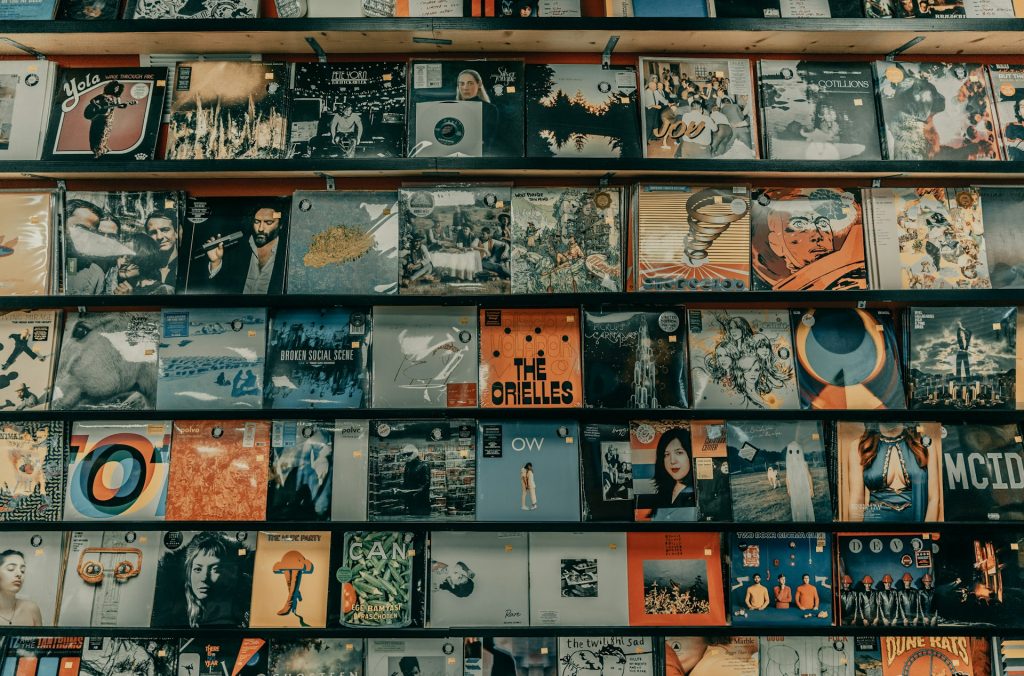
- Bought in a record store, the price is split among the store, the distributor and the artist or label. Your purchase also supports the store, which matters for a local music scene.
- Bought through a big online retailer, the artist’s share is often smaller still, but it’s still a real sale.
Downloads: the middle ground
Buying a digital album isn’t physical, but it shares an important trait with records and CDs: you own a copy, and the artist gets paid for a sale rather than a fraction of a stream. Lossless downloads from direct-to-fan platforms are a good option if you love an album but don’t have the shelf space or the player for a physical copy.
The cost side
Physical formats are an investment for an artist. Vinyl in particular involves upfront costs for mastering, test pressings, manufacturing and printing, often with minimum order quantities and waits of months. That’s why independent bands often start with tapes or CDs, and why a sold-out vinyl run is a big deal for a small act. For more on where your money does the most good, see our guide to supporting independent musicians.
Caring for your collection
Physical media can last for decades if you treat it well. Most damage comes from heat, dust and careless handling.
Records
- Store upright, like books, never stacked flat in tall piles, which can warp records.
- Keep them cool and out of direct sunlight. A record left in a hot car can warp quickly.
- Handle by the edges and label. Fingerprints attract dust and grime into the grooves.
- Use good inner sleeves. Anti-static sleeves cause fewer scuffs than rough paper ones, and plastic outer sleeves protect the jackets.
- Brush before playing. A carbon fiber brush removes surface dust in a few seconds.
- Look after your turntable. Set the tracking force to the cartridge maker’s recommendation and replace a worn stylus, since a damaged needle can harm records.
CDs
Hold discs by the edges and center hole, and store them in their cases. If a disc needs cleaning, wipe gently with a soft, lint-free cloth in straight lines from the center outward, not in circles.
Cassettes
Keep tapes in their cases, away from heat, direct sunlight and strong magnets. Avoid leaving a tape in a hot car or a player for long periods. If a tape gets loose, carefully take up the slack by turning a spool with a pencil before playing.
Tip: Humidity matters too. Very damp spaces encourage mold on jackets and inserts, while very dry, hot spaces can warp and crack. A closet in the main part of the house is usually better than an attic, garage or basement.
Collecting without going broke
A collection doesn’t need to be big or expensive to mean something. If you’re just starting with vinyl, put a reasonable share of your budget into the playback chain. A decent entry-level turntable with an adjustable tracking force, plus a pair of powered speakers, will sound better and treat your records more gently than a bargain all-in-one player with a heavy, fixed tonearm. You don’t need audiophile gear; you need a setup that plays records properly. After that, a few habits make collecting more enjoyable:
- Buy what you’ll actually play. The records that matter most are usually the ones that wear out first.
- Dig through used bins. Used records and CDs in good condition are often far cheaper than new ones.
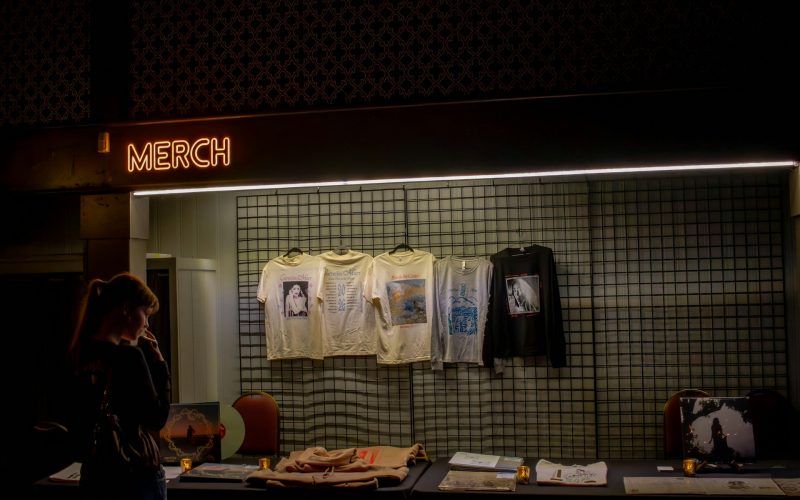
- Buy at shows. The merch table is often the best way to support a band directly, and some releases are only sold there.
- Visit local shops. Austin has long had a strong independent record store culture; check current hours and locations before you go. Our guide to Austin’s live music scene has more on exploring the city.
- Learn grading basics. Terms like “mint,” “near mint” and “very good plus” describe condition. Ask questions before paying a premium.
- Follow Record Store Day announcements on the official Record Store Day site if you’re chasing special releases.
Own a piece of the music
Whether you stream, collect or do both, every way of listening has a place. If you want to hear Fort Never, our album Home and later singles are on the music page, with links to Apple Music and Spotify. Want something you can hold? Our cream logo tee is waiting in the shop. And to learn more about the songs behind that painted house on a red background, read our guide to the sound of Fort Never.
Frequently asked questions
Does buying vinyl actually help artists more than streaming?
Generally, a single physical purchase earns an artist far more than a single stream, especially when you buy directly from the artist or through a direct-to-fan platform. How much reaches the artist depends on their deal, manufacturing costs and where you buy.
How should I store vinyl records?
Store records upright, like books, in a cool, dry place away from sunlight and heat. Use clean inner sleeves, ideally anti-static ones, and outer sleeves to protect the jackets. Never stack records flat in tall piles.
Are cassettes worth buying today?
For many fans, yes. Cassettes are inexpensive for artists to produce in small runs, making them a popular merch item for independent bands. The sound is warmer and less precise than a CD, which is part of their charm.

Written by Fort Never
Trip-hop, electronic dub and lo-fi folk from Austin, Texas. We write about sound, the Austin scene and the craft of independent music. About the band →