From the TR-808 to the MPC to a drummer playing against a click, here is how programmed and played drums differ, and how to combine them so a track still breathes.
Every band that mixes electronics with real instruments eventually has the same argument: should this beat be programmed or played? The debate over drum machines vs. live drums is older than most of the people having it, and it usually ends the same way. Each approach does something the other can’t, and the most interesting records tend to live somewhere in the middle, where a programmed loop and a human drummer push and pull against each other.
At Fort Never we sit right on that line. Our music is built on heavy beats and soft soundscapes, produced by Timmie Rook, and the project became Fort Never when drummer Deano Coté joined. So this is a topic we think about constantly. Below is a practical guide to where drum machines came from, what swing and quantize actually do, how to layer samples with a live player, and how to build a hybrid setup that holds together on stage.
Key takeaways
- Drum machines and live drums aren’t rivals; they solve different problems, and many great records blend both.
- Swing and quantize are feel tools, not correction tools. Use partial quantize and swing to keep programmed parts human.
- When layering samples with a drummer, line up transients and check phase before you reach for EQ.
- Playing to a click is a learnable skill. A good click sound, sensible subdivisions and a count-in make it far easier.
- Hybrid live rigs work best when one person owns the timing source and everyone knows what happens if it fails.
A short history of the machine
Rhythm boxes existed earlier, mostly as accompaniment for organ players, but the modern story starts around 1980, when two very different machines arrived.
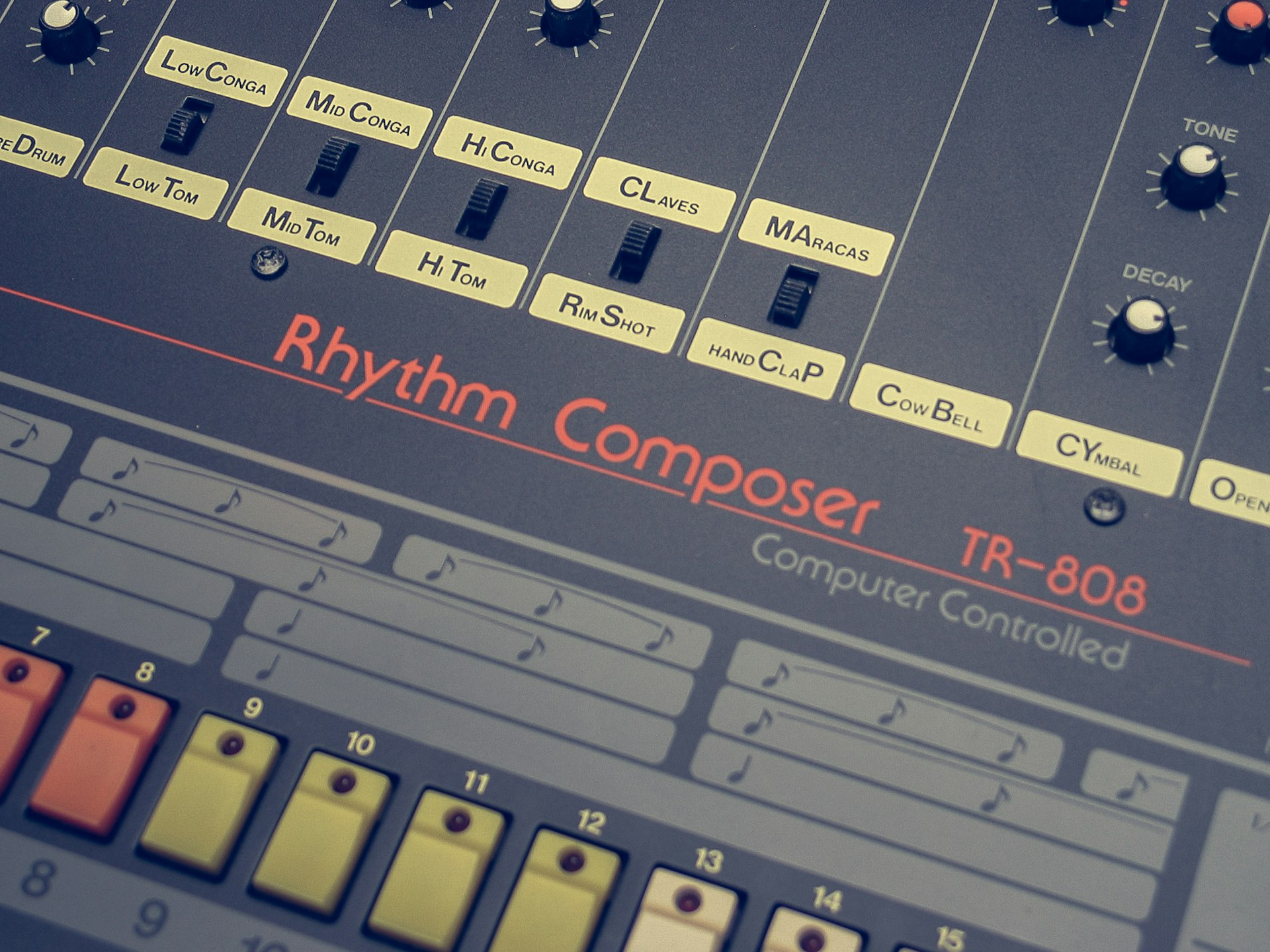
The Roland TR-808
Roland’s TR-808 Rhythm Composer generated its sounds with analog circuits rather than recordings of real drums. Its kick was a long, booming sine-like tone, its snare a snappy burst of noise, its cowbell instantly recognizable. At the time, many musicians found it unrealistic, and it wasn’t a big commercial success. Production ended within a few years. Then the used units got cheap, and producers in hip-hop, electro and dance music discovered that “unrealistic” was exactly the point. Records like Marvin Gaye’s “Sexual Healing” and Afrika Bambaataa and the Soulsonic Force’s “Planet Rock” helped turn the 808 into a sound people would chase for decades. Today the term “808” often just means a long, tuned sub-bass kick.
Sampled drums and the MPC
Around the same time, Roger Linn’s LM-1 became one of the first drum machines to use digital recordings of real drums. That idea, real sounds triggered by a machine, eventually led to the Akai MPC line, starting with the MPC60 in 1988, which Linn helped design. The MPC combined a sampler and a sequencer with velocity-sensitive pads, so producers could chop breakbeats from old funk and soul records and play them back like an instrument.
That workflow is the backbone of trip-hop. The Bristol records of the 1990s leaned heavily on slowed-down sampled breaks, dusty and often filtered, with the swing of the original drummer still baked in. If you want the full backstory, our listener’s guide to trip-hop traces how that sound traveled from Bristol to Austin.
Swing and quantize: the feel controls
If you only learn two settings on a drum machine or in a DAW, make them quantize and swing. They decide whether a programmed beat feels stiff, sloppy or alive.
What quantize really does
Quantize moves notes to the nearest point on a grid, such as every sixteenth note. At 100 percent strength, every hit lands exactly on the grid. That is useful for tight electronic genres, but it also strips out the tiny timing differences that make a groove feel human. Most DAWs offer partial quantize (sometimes called strength or amount), which moves notes only part of the way toward the grid. Setting it somewhere around 50 to 80 percent tightens sloppy playing without flattening it.
What swing really does
Swing delays every second subdivision, usually the off-beat sixteenths or eighths. At 50 percent, the beat is perfectly straight. As you raise it, those off-beats slide later, and somewhere in the mid-60s you’re close to a triplet shuffle. Roger Linn’s swing implementation on his machines and the MPC is a big reason so much sample-based music has that loping, slightly drunk bounce. Producers such as J Dilla became famous for going further, playing patterns in with quantize off so the hits fall unevenly in ways no swing setting can fake.
Small moves that make programmed drums breathe
- Vary velocity. Hi-hats played at identical volume sound like a machine gun. Accent the downbeats and pull back the in-between hits.
- Add ghost notes. Quiet snare hits between the backbeats give a pattern momentum, just as they do for a live drummer.
- Nudge, don’t randomize. Random humanize functions can sound sloppy. Instead, deliberately push a snare slightly late for a laid-back feel, or a hi-hat slightly early for urgency.
- Leave space. Trip-hop and dub get their weight from what isn’t played. A kick that drops out for a bar can hit harder than one that never stops.
A groove isn’t a set of perfectly placed hits. It’s the relationship between them, and that relationship is usually a little bit wrong in exactly the right way.
Layering samples with a live drummer
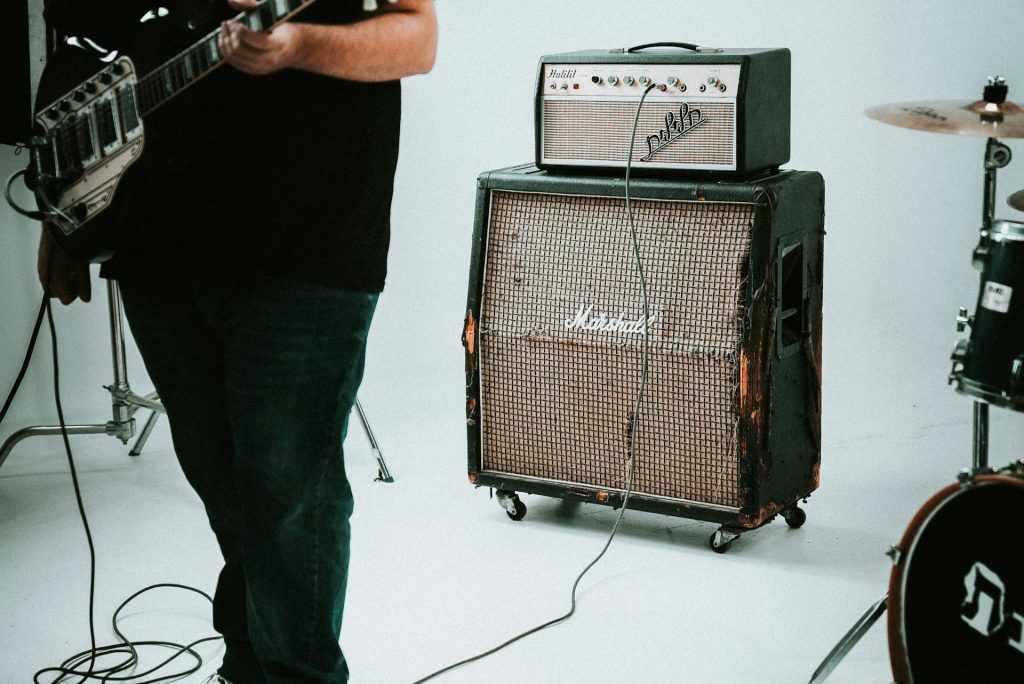
One of the most useful hybrid techniques happens in the studio: recording a real drummer and then reinforcing parts of the kit with samples, or playing live drums over a programmed loop. Done well, you get the heft of a machine with the movement of a person. Done badly, you get a smeared, phasey mess.
Line up the transients
When you place a sample under a recorded kick or snare, zoom in and make sure the start of the sample lines up with the start of the real hit. Even a few milliseconds of offset can thin out the combined sound or make it flam. Many DAWs include tools that convert drum hits to MIDI triggers, and dedicated drum replacement plugins can automate this, but always check by ear.
Check phase before EQ
Two kick sounds that each sound huge on their own can cancel each other out when combined. If the layered result sounds weaker than either part, try flipping the polarity on one of them or shifting it slightly in time. Fix this first; no amount of EQ will rescue a phase problem.
Give each layer a job
Instead of stacking two full-range sounds, assign roles. A live kick might provide the beater click and room tone, while a sample supplies the sub-bass weight underneath. A live snare can carry the crack and ghost-note detail while a sample adds a consistent body or a reverb tail. High-pass the sample if it’s crowding the low end, or low-pass it if it’s fighting the cymbals.
Let the drummer play to the loop
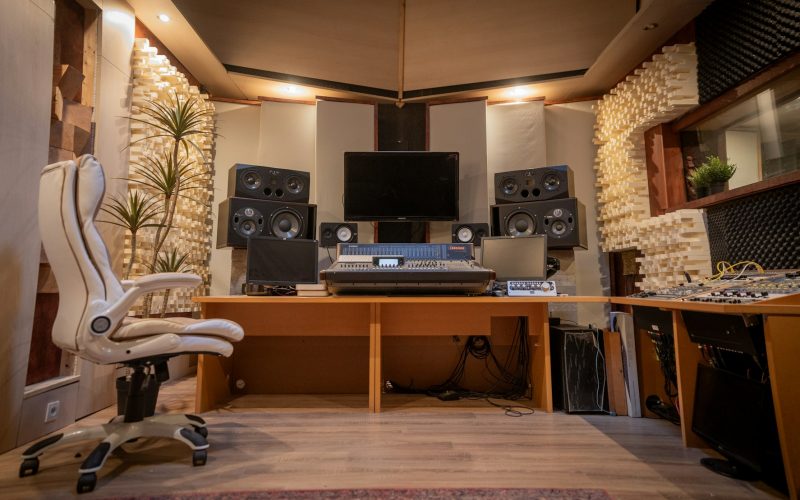
The other approach is to start with a programmed loop and have the drummer play along, adding fills, cymbals and dynamics the loop doesn’t have. The trick is restraint: if the loop already covers kick and snare, the drummer might focus on hats, rides, toms and builds. If you’re setting up a space to try this, our guide to building a home studio on a budget covers the basics.
Playing to a click without losing the feel
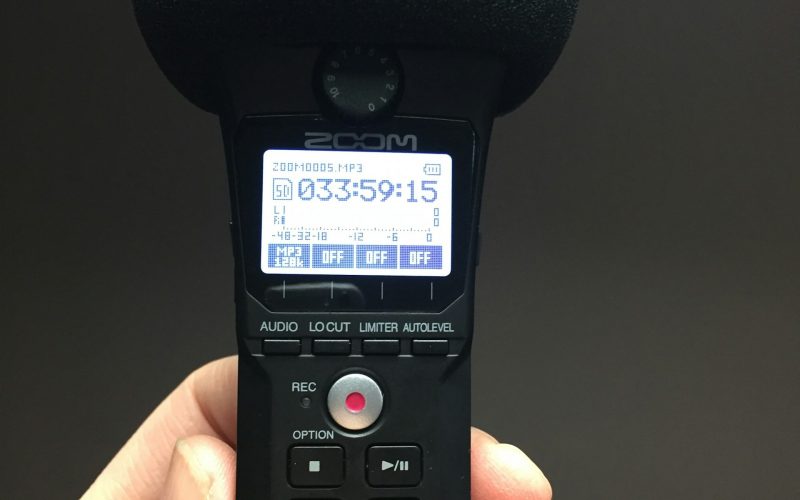
As soon as a band uses backing tracks, sequenced synths or tempo-synced delays, the drummer needs to follow a shared clock. That usually means a click track. Some players resist it, worried it’ll make them sound robotic. In practice, the click is just a reference; the feel still comes from where you place your notes around it.
- Choose a click you can live with. A soft woodblock, rimshot or hi-hat sample is easier on the ears over a long set than a harsh electronic beep.
- Use subdivisions at slow tempos. Trip-hop often sits in a slow range where there’s a lot of empty time between quarter notes. Eighth-note or sixteenth-note subdivisions stop you drifting in the gaps.
- Program count-ins and cues. A bar or two of count-in, plus spoken or tonal cues before sections, keeps everyone oriented.
- Set the level carefully. The click should be clear but not dominant. Isolating in-ear monitors help here, and they also let you keep overall volume lower, which is good for your hearing.
- Practice with it at home. The click becomes comfortable through repetition. Practice the actual songs at the actual tempos, not just generic exercises.
- Learn to sit around it. Once you’re steady, experiment with playing slightly behind or ahead of the click. That’s where the feel lives.
Tip: Record a rehearsal with the click printed to its own track. Listening back, you’ll quickly hear which sections rush or drag, and whether the issue is the drummer, the arrangement or the tempo itself.
Building a hybrid live setup
On stage, the hybrid approach can take many forms. A drummer might play an acoustic kit alongside a laptop running backing tracks, trigger samples from an electronic pad, or fit triggers to acoustic drums so a real snare hit fires an electronic sound as well. Some acts run a drum machine for the core pattern and have a drummer layer live percussion on top.
Decide who owns the clock
Whatever the setup, one device should be the master timing source, whether that’s a laptop running a DAW or a hardware sequencer. Everything else follows it. When two devices each think they’re in charge, tempos drift and things fall apart mid-song.
Common building blocks
- Laptop with a DAW or playback software running stems, the click and cues to the in-ear mix.
- An audio interface with separate outputs, so the click and cues go only to the band while the music stems go to front of house.
- Sample pads or a drum module for one-shots, loops and electronic sounds the drummer plays by hand.
- Acoustic drum triggers that blend the room sound of a real kit with consistent electronic layers.
- A backup plan. Know what you’ll do if the laptop crashes. Some bands keep a second machine in sync; others simply rehearse a stripped-down version of each song.
Keep the mix legible
A sampled sub kick plus an acoustic kick plus a bass synth can turn into mud quickly, especially in small rooms. Talk to the engineer before the set, send clearly labeled outputs, and be willing to drop a layer if the room can’t handle it. Our shows page is where we post upcoming dates when we have them.
Pros and cons at a glance
Here’s how the approaches tend to compare in everyday use.
| Factor | Drum machine / programmed | Live drums | Hybrid |
|---|---|---|---|
| Timing | As tight or as loose as you program it | Human push and pull, varies night to night | Locked to a clock, with human detail on top |
| Sound palette | Unlimited, including sounds no kit can make | Limited to the kit, but rich and dynamic | Widest range, but harder to mix |
| Dynamics | Only what you program in | Natural and responsive to the band | Strong if roles are clearly divided |
| Recording cost | Low; no room or mics needed | Higher; needs a good room and several mics | Medium |
| Live reliability | Repeatable, but tied to the gear working | Very reliable; a drummer rarely crashes | Most moving parts, needs a backup plan |
| Stage presence | Can feel static without visual energy | High; audiences connect with a drummer | High, with the drummer as the anchor |
How to choose for a particular song
Rather than picking a side for a whole project, make the call song by song. A few questions help.
What does the song need emotionally?
A hypnotic, repetitive groove that sits under a vocal often benefits from a machine’s steadiness. A song that builds and releases, with a big chorus or a dynamic outro, usually wants a drummer who can swell and pull back with the band.
What will you do with it live?
If you program everything in the studio, think about how it will translate on stage. Can the drummer reproduce it? Will you run it as a backing track? Sometimes the answer reshapes the studio version so that the recorded and live versions feel related.
If you want to hear how these choices play out across a full album, our piece on the sound of Fort Never walks through the record track by track.
Find your own pocket
The pocket isn’t a setting or a piece of gear. It’s what happens when a beat and the people around it agree on where the time is. Try layering a sample under a real kick this week, or turn quantize down to 60 percent and see what changes. If you’re curious about the hardware side, manufacturers like Roland and Akai Professional have plenty of history and documentation on their sites.
And if you want to hear heavy beats and soft soundscapes meeting in the middle, head to our music page and start with the album Home. Then come back to the journal for more on how songs get made.
Frequently asked questions
Do drum machines sound worse than live drums?
Not worse, just different. A drum machine gives you consistency, control and sounds no acoustic kit can make, while a live drummer gives you dynamics and feel that react to the song. Many great records use both.
What does swing do on a drum machine?
Swing delays every other subdivision, usually the off-beat sixteenth or eighth notes, by a set amount. At 50 percent the beat is straight; higher settings push those notes later and give the groove a shuffle or lilt.
How do I get a live drummer comfortable playing to a click?
Start with a clear, non-annoying click sound, practice at home with it, use subdivisions on slower tempos, give a count-in, and set the click level so it is audible without dominating the monitor mix. Consistent practice matters more than any trick.
Written by Fort Never
Trip-hop, electronic dub and lo-fi folk from Austin, Texas. We write about sound, the Austin scene and the craft of independent music. About the band →